


Love Your Location but Hate Your House? Renovate or Move in Auckland?


You love your neighbourhood. Your kids are settled. Your commute works. But your house? That's another story.
Maybe your kitchen feels outdated, your bathroom needs replacing, or your family has simply outgrown the available space.
For many Auckland homeowners, the big question eventually becomes:
Should we renovate the house we already own, or sell up and move somewhere else?
Both options involve costs, compromises and important decisions. But before you start browsing property listings, it's worth considering what a well-planned renovation could achieve.
At Hercules Construction, we help Auckland homeowners improve existing properties through home renovations, extensions, alterations and building repairs.
Here's what to consider before making your decision.
1. You Might Not Need a New House. You Might Just Need a Better Layout.
One of the biggest reasons people consider moving is that their existing house no longer works for their lifestyle.
But sometimes the problem isn't the size of the house. It's how the available space is being used.
Older Auckland homes often have layouts that don't suit modern living, such as:
Separate kitchens and dining rooms
Small, enclosed living spaces
Poor connections to outdoor areas
Limited storage
Awkward room configurations
Outdated bathrooms and laundries
Depending on the property's construction, some of these problems may be addressed through internal alterations.
For example, changing an existing wall arrangement could potentially create a more open kitchen and living area without increasing the building's overall footprint.
Before deciding you need a bigger house, ask whether your existing floor space could work harder for you.
Structural changes must be assessed appropriately, and some alterations require building consent.
2. Moving House Has Costs Beyond the Purchase Price
When comparing renovation costs with buying another property, homeowners sometimes focus only on the price difference between the two houses.
However, moving involves additional expenses.
These may include:
Real estate agent commissions when selling
Legal and conveyancing fees
Moving and storage costs
Building inspections and due diligence
Mortgage-related costs
Repairs or improvements required before selling
Immediate maintenance or upgrades at the new property
In New Zealand, purchasing an existing residential property does not generally attract a separate stamp duty, but transaction and financing costs can still be significant.
And there's another consideration: the next house might need renovations too.
A property that looks perfect during an open home may still require painting, flooring, bathroom upgrades or maintenance after you move in.
That makes it important to compare the total cost of both options, rather than simply comparing house prices.
3. Could a Home Extension Solve Your Space Problems?
If the existing layout cannot provide enough space, extending your home may be worth exploring.
A house extension could provide:
An additional bedroom
A larger family living area
A new master bedroom with ensuite
A dedicated home office
A bigger kitchen and dining space
Improved indoor-outdoor flow
For homeowners who enjoy their current location, an extension can offer the opportunity to gain more usable space without relocating.
However, extensions require careful planning.
Factors such as site coverage, setbacks, existing foundations, drainage, structural requirements and Auckland planning rules can influence what is possible.
Building consent will generally be required for a conventional house extension, and resource consent may also be necessary depending on the proposal.
Builder's advice: Before investing heavily in extension plans, consider an early feasibility discussion with a suitable designer and builder.
4. Renovation vs Moving: Which Option Makes More Sense?
There is no single answer for every Auckland homeowner.
The right choice depends on the property's condition, location, renovation budget and your long-term plans.
Consideration | Renovating | Moving |
Location | Stay in your existing neighbourhood | Opportunity to relocate |
Layout | Can be customised within building constraints | Depends on available properties |
Upfront costs | Building, design and approval costs | Purchase, sale and moving costs |
Disruption | Construction activity and possible temporary relocation | Packing, selling and moving |
Building condition | Existing defects may need addressing | New property may have its own defects |
Timeline | Depends on renovation scope | Depends on property market and settlement |
Customisation | Greater control over finishes and layout | May require further renovations |
Renovating may make more sense if you love your location, the house is structurally suitable and the proposed improvements can be achieved within a realistic budget.
Moving may be more practical if the site cannot accommodate your needs, the property requires extensive repairs or your family needs a substantially different type of home.
5. Will Renovating Your Home Increase Its Value?
A well-planned renovation can improve a property's appeal, functionality and overall condition.
However, renovation spending does not automatically translate into an equivalent increase in market value.
The potential return depends on factors such as location, property type, quality of work, buyer preferences and the wider Auckland property market.
Some renovation projects are undertaken primarily to improve everyday living rather than maximise resale value.
For example, a new bathroom may not recover every dollar spent when selling, but it could provide years of improved comfort and convenience.
When considering a substantial renovation, it may be useful to seek advice from a registered property valuer or experienced local real estate professional about the potential impact on value.
6. What Renovations Can Make an Older Auckland Home Feel New Again?
You don't always need to demolish and rebuild to achieve a significant transformation.
Depending on the property's condition and your budget, several improvements can make a noticeable difference.
Kitchen and Living Area Renovations
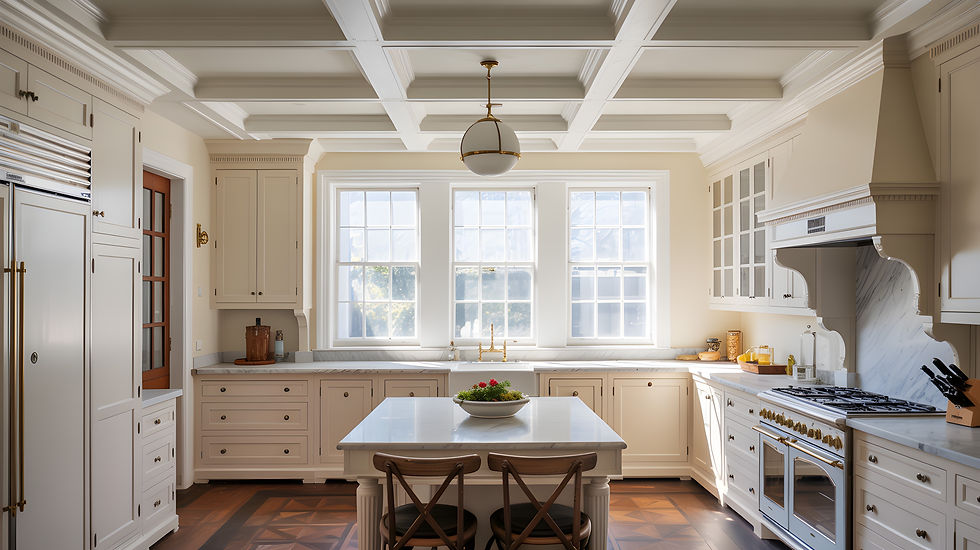
Updating cabinetry, benchtops, flooring, lighting and the room layout can transform how the main living areas function.
Bathroom Renovations
Replacing outdated bathroomware, tiles, linings and finishes can improve comfort, appearance and functionality.
Window and Door Upgrades
New joinery and appropriately specified glazing can improve comfort, appearance and usability. Performance depends on the complete installation and surrounding building elements.
Interior Refurbishment
New plasterboard linings, painting, flooring, doors and trims can give tired rooms a substantially refreshed appearance.
Exterior Renovations
Weatherboard repairs, cladding upgrades, roofing and exterior painting can improve the appearance of a home while addressing relevant maintenance issues.
The best approach is to prioritise work that addresses genuine problems and delivers lasting benefits.
7. When Is Renovating Not Worth It?
Although renovation can be a good option, there are situations where it may not be financially or practically sensible.
For example:
The property requires extensive structural remediation.
The proposed extension is significantly restricted by planning requirements.
The renovation cost is high relative to the property's likely value.
The house cannot realistically accommodate your family's needs.
Major changes would require rebuilding substantial portions of the existing structure.
In these situations, comparing renovation costs with moving or rebuilding may help avoid an expensive decision.
A builder can assist with assessing the proposed construction scope, while designers, engineers and property professionals can provide specialist advice where required.
8. Five Questions to Ask Before Deciding to Renovate or Move
Before making your final decision, ask yourself:
1. Do we genuinely want to leave our neighbourhood?
If you love your location, renovation may deserve serious consideration.
2. What exactly isn't working in our current house?
Identify whether the main problem is space, layout, condition or appearance.
3. What is our realistic total budget?
Include construction costs, professional fees, approvals, contingencies and potential temporary accommodation.
4. How long do we plan to stay?
Your expected time in the property can influence how much you are comfortable investing in improvements.
5. Have we investigated what is actually possible?
An initial discussion with a builder or designer may reveal options you haven't considered.
Frequently Asked Questions
Is it cheaper to renovate or move house in Auckland?
It depends on the renovation scope, property values, transaction costs and the condition of both properties. A modest renovation may cost considerably less than relocating, while extensive structural alterations or extensions can involve substantial investment. Compare the total cost of each option.
Is it worth renovating an older house in Auckland?
It can be, particularly where the house is structurally suitable and the proposed improvements address important functional or maintenance issues. The condition of the existing building should be considered before committing to major work.
Can I renovate my house while living in it?
Yes, depending on the scope of work. Smaller renovations may allow homeowners to remain onsite, while major internal alterations or extensive demolition may make temporary accommodation safer and more practical.
Do I need building consent to change the layout of my house?
Some internal alterations are exempt from building consent, while structural modifications and other specified building work may require approval. The requirements depend on the work involved and should be checked before construction begins.
Should I renovate before selling my Auckland property?
Not necessarily. Minor improvements may enhance presentation, but major renovations do not always recover their full cost at sale. Consider obtaining local market advice before committing to expensive work solely for resale.
Who should I speak to first about a home renovation?
For straightforward renovation work, an experienced renovation builder can help discuss the scope and practical construction considerations. For significant structural alterations or extensions, a designer or architect and potentially an engineer may also need to be involved early.
Thinking About Renovating Your Auckland Home?
Before deciding to sell and move, it may be worth exploring what improvements are possible within your existing property.
At Hercules Construction, we provide residential renovation, refurbishment, building alteration and remedial repair services throughout Auckland.
Whether you're considering a kitchen renovation, bathroom upgrade, internal layout changes or a home extension, we can discuss your proposed work and help you understand the construction considerations involved.
We service Central Auckland, East Auckland and surrounding areas, including Epsom, Mount Eden, Remuera, Newmarket, Greenlane, Ellerslie, Onehunga, Howick, Botany and nearby Auckland suburbs.
Love your location? Let's explore what your current home could become.
Contact Hercules Construction to discuss your renovation plans and arrange a site visit.
Website: www.herculesconstruction.co.nz


Comments