


Bought an Older House in Auckland? 10 Renovations Worth Considering Before You Move In

You've bought the house. You've got the keys. But before you move your furniture in, there's one question worth asking: Should you renovate first?
Many Auckland homes built during the 1950s, 1960s, 1970s and 1980s have plenty of character, but their interiors and building services may no longer suit modern lifestyles.
Some properties have outdated kitchens, tired bathrooms, worn flooring or layouts that could function better.
While it is possible to renovate after moving in, certain building works can be easier to complete while the property is empty.
At Hercules Construction, we help Auckland homeowners with residential renovations, interior alterations, building repairs and refurbishment projects.
Here are ten improvements worth considering before moving into an older property.
1. Renovate the Bathroom Before Moving In
Bathrooms are among the most disruptive rooms to renovate while living in a property.
A full bathroom renovation may involve demolition, plumbing alterations, electrical work, waterproofing, tiling and installation of new bathroomware.
During parts of this process, the bathroom may be unusable.
If your newly purchased home has only one bathroom, completing the renovation before moving in could save considerable inconvenience.
Consider upgrading:
Shower and bath
Vanity and basin
Toilet
Wall and floor finishes
Ventilation
Lighting and electrical fittings
Storage and bathroom layout
The best approach depends on the existing bathroom's condition, available space and budget.
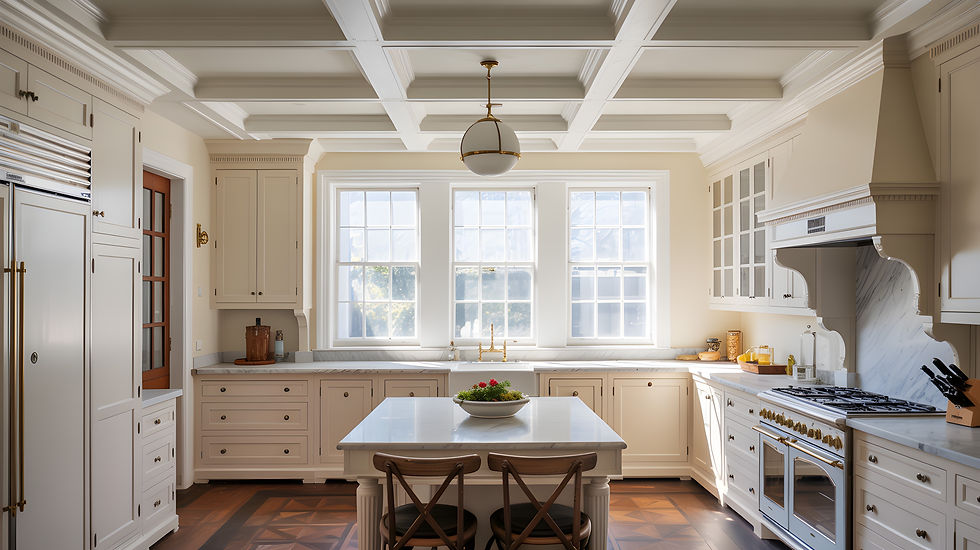
2. Upgrade the Kitchen While the House Is Empty
Kitchen renovations can affect daily routines, particularly when cooking facilities and water connections are unavailable.
If you're planning to replace cabinetry, benchtops, flooring or appliances, completing the work before moving in may be more convenient.
Older kitchens may also benefit from improved storage, lighting and a more practical layout.
Where possible, finalise your cabinetry and appliance selections early, as custom-made components can affect the overall programme.
3. Replace Worn Flooring Throughout the House
Flooring replacement is often easier when rooms are empty.
Depending on the existing floor condition and intended finish, work may include:
Removing carpet or vinyl
Preparing the subfloor
Installing new carpet
Installing laminate or engineered timber flooring
Installing suitable vinyl flooring
Replacing damaged flooring substrates
If you're planning to replace flooring across several rooms, coordinating the work before furniture arrives can reduce the need to move and protect belongings.
Older floor coverings and adhesives may contain asbestos, so suitable assessment and safe handling may be required before disturbance.
4. Repaint the Interior Before Moving Furniture In
A fresh coat of paint can make a noticeable difference to an older home.
Painting before moving in provides easier access to walls, ceilings, skirting boards and other surfaces.
It also reduces the need to protect or relocate furniture.
For older homes, preparation may involve repairing cracks, patching plasterboard, filling minor imperfections and addressing deteriorated coatings.
Builder's advice: Where substantial electrical, plumbing or building alterations are planned, complete those works before final painting to avoid unnecessary rework.
5. Improve Insulation and Indoor Comfort
Some older Auckland homes have insulation levels that differ from those expected in modern construction.
Depending on the property, improvements may be possible in roof spaces, underfloor areas or walls exposed during renovation.
Potential benefits include improved comfort and reduced heat loss.
However, insulation upgrades must be suitable for the building's construction and should consider ventilation, moisture management and applicable requirements.
If walls are already being opened for other renovation work, it may be practical to investigate insulation opportunities at the same time.
6. Review Electrical Outlets and Lighting
Older houses may have fewer power outlets than modern households require.
Before moving in, consider whether the existing electrical layout suits your furniture, appliances and daily routines.
Potential upgrades include:
Additional power outlets
New lighting positions
LED lighting
Kitchen appliance circuits
Bathroom electrical upgrades
Switch and fitting replacements
A registered electrician should assess the suitability of the existing electrical installation and carry out the required electrical work.
Planning electrical changes before wall repairs and painting can help minimise disruption.
7. Consider Internal Layout Alterations
Some older Auckland homes have separate kitchens, dining rooms and living areas.
Depending on the structure, altering the layout may improve functionality and the connection between rooms.
Possible changes include:
Creating a larger kitchen and dining space
Improving access between living areas
Reconfiguring a laundry
Adding storage
Altering door positions
Creating a home office
However, not every wall can be removed or modified without structural assessment.
Load-bearing walls and other structural elements require appropriate design and construction considerations, and building consent may be necessary.
8. Upgrade the Laundry
The laundry is sometimes overlooked during home renovations.
Older laundry spaces may have inefficient layouts, limited storage or deteriorated finishes.
Depending on the available space, improvements could include new cabinetry, benchtops, a laundry tub, flooring and updated plumbing connections.
Where the laundry is located near a kitchen or bathroom, coordinating renovation work may provide opportunities to streamline trade scheduling.
9. Repair Existing Building Defects Before Finishing Work
Before investing in new interior finishes, it is important to address any known building defects that could affect the renovation.
Examples include:
Plumbing leaks
Moisture-damaged linings
Damaged subfloors
Deteriorated timber framing
Roofing or cladding defects
Inadequate ventilation
These issues should be investigated and repaired as appropriate before installing new finishes.
Completing cosmetic work before addressing underlying defects can lead to unnecessary rework.
10. Plan the Renovation as One Coordinated Project
If you're considering several upgrades, it may be worth planning them together rather than treating each room as an unrelated project.
For example, a combined renovation could involve:
Demolition and removal of existing finishes
Carpentry and internal alterations
Plumbing and electrical upgrades
Insulation and wall linings
Plastering and painting
Kitchen and bathroom installation
Flooring and finishing work
Final cleaning and handover
The exact sequence depends on the scope of work.
Coordinating the project can help avoid situations where newly finished areas must be reopened for later work.
Is It Cheaper to Renovate Before Moving In?
Not necessarily, but renovating an empty house can offer practical advantages.
Contractors may have easier access, there may be less furniture to protect and certain work can be carried out without disrupting occupied rooms.
However, homeowners should also consider the cost of holding an empty property, temporary accommodation and any delays before moving in.
The best decision depends on the proposed work, construction programme and available budget.
How Much Does It Cost to Renovate an Older House in Auckland?
Renovation costs vary considerably depending on the property's condition, size, material selections and scope of work.
A cosmetic refurbishment involving painting and flooring will generally have different cost considerations from a major renovation involving structural alterations, new plumbing, electrical upgrades and multiple bathrooms.
Before setting a budget, identify the improvements you want to achieve and obtain an estimate based on the specific property.
Where the proposed work involves concealed building elements, allow for the possibility that additional repairs may be identified during construction.
Frequently Asked Questions
Should I renovate an older house before moving in?
It can be beneficial, particularly when the planned work involves bathrooms, kitchens, flooring, painting or substantial internal alterations. Renovating an empty property may reduce disruption and simplify access.
Can I renovate a 1960s or 1970s house in Auckland?
Yes. Many older Auckland homes can be renovated or altered, subject to their condition and the applicable building requirements. Structural modifications and certain other work may require building consent.
What should I renovate first in an older house?
Prioritise safety issues, active leaks and necessary building repairs before cosmetic improvements. After that, consider essential services and disruptive work such as bathroom renovations, kitchen alterations and flooring replacement.
Do older Auckland homes contain asbestos?
Some older homes may contain asbestos-containing materials in flooring, textured coatings, cladding or other building products. Materials suspected of containing asbestos should be assessed before they are disturbed, and removal must follow applicable safety requirements.
Can I renovate my kitchen and bathroom at the same time?
Yes, depending on the scope, budget and trade availability. Coordinating both renovations may simplify scheduling, although the project must be carefully planned around plumbing, electrical work and access.
Do I need building consent for interior renovations?
Some interior renovation work is exempt from building consent, while structural alterations and certain other building work require approval. Requirements should be checked for the specific project.
Older Home Renovations in Auckland – Hercules Construction
Hercules Construction provides residential renovation, refurbishment and building repair services across Auckland.
Our services include:
Full and partial home renovations
Bathroom renovations
Kitchen renovations
Internal alterations
Carpentry and building repairs
Plastering and painting
Flooring installation
Plumbing and electrical trade coordination
General residential refurbishment
We work with homeowners throughout Central Auckland, East Auckland and surrounding suburbs, including Epsom, Mount Eden, Remuera, Newmarket, Greenlane, Ellerslie, Onehunga, Howick, Botany and nearby areas across wider Auckland.
Bought an Older House? Talk to Hercules Construction Before Moving In
If you've recently purchased an older Auckland property and are planning improvements, it may be worth discussing the work before moving your belongings into the house.
Whether you're considering a bathroom renovation, kitchen upgrade, interior refurbishment or a more extensive home renovation, Hercules Construction can help assess your proposed scope and provide an estimate based on the available information.
Contact Hercules Construction today to discuss your renovation project and arrange a site visit.
Website: www.herculesconstruction.co.nz


Comments